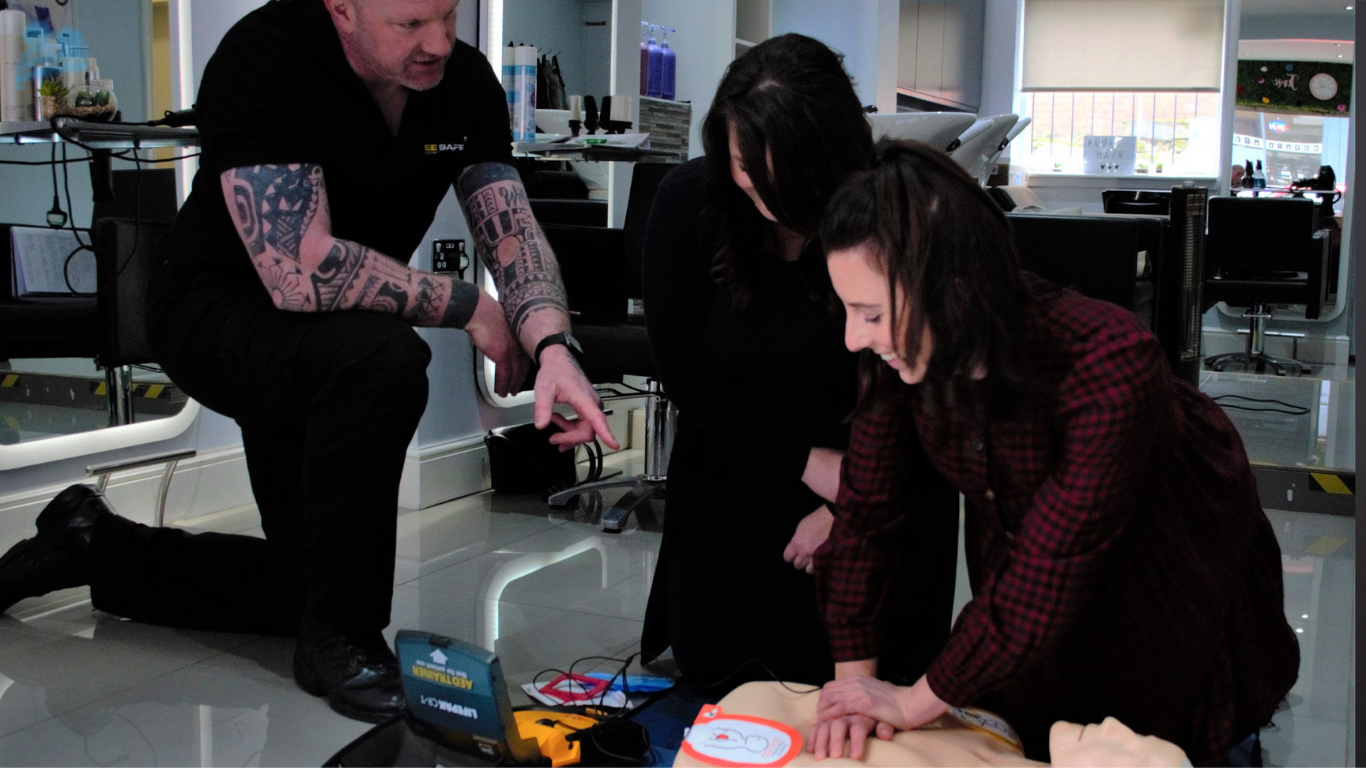
Industry-specific first aid is training that’s tailored to the risks and injuries most likely to occur in a specific job or work setting. Though regular first aid is beneficial to anyone, some jobs are more dangerous — such as working with machinery, chemicals, or at-risk populations — and demand more specialized training.
This kind of training enables staff to act quickly and safely in emergencies that are more probable in their work. In most sectors, it’s also a legal stipulation to have trained first aiders in the workplace.
Why Different Jobs Need Different Training
Not all workplaces are exposed to the same risks. An office would probably only require standard first aid for covering slips, falls, or superficial burns from kitchen spaces. But in sectors such as construction, manufacturing, or agriculture, wounds tend to be more severe. These can be heavy bleeding, broken limbs, head trauma, or crush injuries.
Similarly, people who work in schools, nurseries, or care homes need to know how to help children, the elderly, or people with medical conditions. They may also deal with issues like choking, allergic reactions, or diabetic emergencies.
Industry-specific training prepares staff for the real risks they could face — not just the theory.
Examples of First Aid by Industry
Different sectors require different types of training. Below are a few examples:
Construction and Trades
Employees are subjected to sharp objects, heavy machinery, and working at height. Courses of first aid for this industry tend to concentrate on bleeding control, head trauma, shock, and management of unconscious casualties.
Hospitality and Catering
Kitchens expose to burn hazards, knife cuts, and slipping. Employees are taught to handle burns, manage scalds, and treat choking or allergic reactions from food.
Childcare and Education
In schools, nurseries, or clubs, workers require paediatric first aid. This includes treatment of infant and child, such as CPR, choking, seizures, and minor trauma.
Factories and Warehouses
Manual handling traumas, crush, and machinery accidents are prevalent here. Workers can require training in spinal injury response or limb trauma.
Healthcare and Care Homes
Even though staff might already have had some medical training, first aid courses are still necessary. They generally cover how to help falls, diabetic attacks, epilepsy, and the use of emergency oxygen.
Farming and Agriculture
In rural parts of the country, aid might take longer to reach. Training usually covers severe bleeding, injuries to limbs, animal bites, and crush injuries.
Meeting Legal and Safety Standards
Employers must ensure they possess the correct type and quantity of trained first aiders. The Health and Safety Executive (HSE) in the UK provides unambiguous advice depending on the risk category and quantity of staff. Not complying with these regulations can result in legal issues and risk the lives of people.
Regular risk checks determine how much training is required. These should be revised when a company expands, relocates, or alters the way it works.
Three years is the normal length of most first aid certificates, and employees need to keep taking refresher courses to keep their skills up to speed. In high-risk sectors, annual refreshers are usually advised.