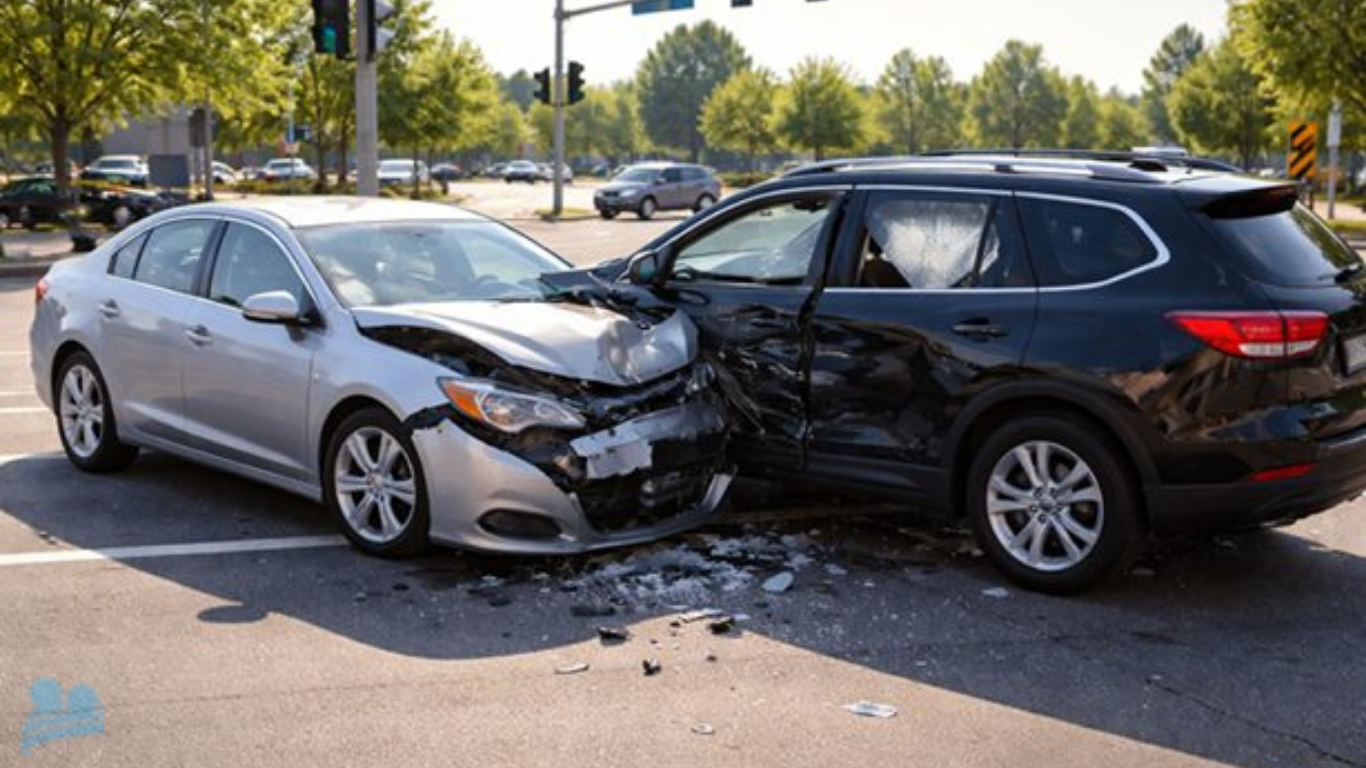
Fault after a crash in Georgia decides who pays. It shapes your medical care, your income, and your sense of justice. You may feel scared, angry, or confused. You also may face pressure from insurance companies that move fast and speak in coded terms. Georgia uses a fault system. That means someone must carry legal blame. You might share some of that blame. Even a small detail at the scene can change the outcome. A short statement, a photo, or a missing report can shift thousands of dollars. This guide explains how fault works, what evidence matters, and how Georgia law treats shared blame. It also explains when an Atlanta car accident lawyer may help protect your rights. You deserve clear answers and steady support while you try to heal and move forward.
How Georgia’s Fault System Works
Georgia follows “modified comparative fault.” That phrase sounds cold. It has a simple meaning. Each driver carries a percent of blame. Your share of blame cuts your money. At 50 percent or more, you collect nothing.
You must prove three basic points.
- The other driver had a duty to act with care.
- The other driver broke that duty.
- The broken duty caused your injuries and losses.
Police, insurers, and courts use the same core rule. They look at facts. Then they assign numbers to each person.
Effect of Your Fault Percentage on Recovery in Georgia
| Your Fault Percent | Can You Recover Money | How Your Money Changes |
|---|---|---|
| 0% | Yes | No cut to your total losses |
| 10% | Yes | You receive 90% of your total losses |
| 25% | Yes | You receive 75% of your total losses |
| 49% | Yes | You receive 51% of your total losses |
| 50% or more | No | You receive nothing under Georgia law |
Who Decides Fault After a Crash
Several people or groups may judge fault. Each one can shape your life.
- Police officers. They write the crash report and may issue tickets.
- Insurance adjusters. They study records and photos. They suggest fault shares.
- Judges and juries. They give the final legal answer if your case goes to court.
Police reports matter. They do not control the final outcome. An insurer or court can disagree with a report. Your proof can change minds.
Evidence That Shapes Fault
Strong proof protects you. Weak proof leaves you exposed. Try to gather three key types of proof.
- Scene proof. Photos of cars, skid marks, glass, and road signs. Short notes on weather and traffic.
- People proof. Names and contact details of witnesses. Their honest memories of what they saw and heard.
- Paper proof. Police reports, medical records, repair bills, and pay stubs.
The National Highway Traffic Safety Administration shares clear safety and crash facts that can support your understanding of risk patterns. You can read more at https://www.nhtsa.gov/.
Common Driving Actions That Lead To Fault
Some actions almost always point toward fault. Three patterns come up again and again.
- Speeding or driving too fast for rain, fog, or heavy traffic
- Looking at a phone or other distraction while driving
- Following too close and rear ending another car
Other acts also raise red flags such as unsafe turns, running red lights, or driving after drinking. Each act can place more blame on a driver.
Shared Fault Examples
Shared fault feels unfair. It still applies in many crashes.
- You stop suddenly for a lost item in the road. The driver behind you follows too close and hits you. You may share some blame for the sudden stop. The other driver may hold more blame for tailgating.
- You cross a street outside a crosswalk at night. A driver drives a bit over the limit and does not scan for people. You may share blame for where you crossed. The driver may share blame for speed and poor watch.
Georgia’s Civil Justice system gives structure to these hard calls. The Judicial Council of Georgia offers public forms and links that help you see how courts work. You can visit https://georgiacourts.gov/ for more detail.
What You Should Do After a Crash
Your steps in the first hours and days can shape fault findings. Try to follow three core steps when you can.
- Call 911. Ask for police and medical help. Stay calm and clear.
- Collect proof. Take photos. Exchange contact and insurance details. Ask witnesses to share their names.
- Protect your words. Give basic facts to police. Avoid guessing. Avoid saying you were “fine” or “okay.”
Then seek medical care even for what seems like small pain. Injuries can grow over time. Medical records also link the crash to your pain.
How Insurance Companies Use Fault
Insurers study fault to decide three core points.
- Whether they accept or deny a claim
- How much money they offer
- Whether they argue that you share fault
An adjuster may sound friendly. That person works to save the company money. Short recorded statements can hurt you. Early low offers can pull you to sign away your rights.
When Legal Help May Make Sense
You do not need to face this alone. The law around fault is clear on paper. It is hard in real life. You may want legal help if any of these apply.
- You have broken bones or long term pain.
- Someone argues that you caused the crash.
- An insurer delays, denies, or blames you.
Steady guidance can protect your proof and your peace of mind. You carry enough weight already. Clear knowledge of how fault works in Georgia gives you power. It lets you stand firm, ask direct questions, and fight for the care and money you need to rebuild your life.