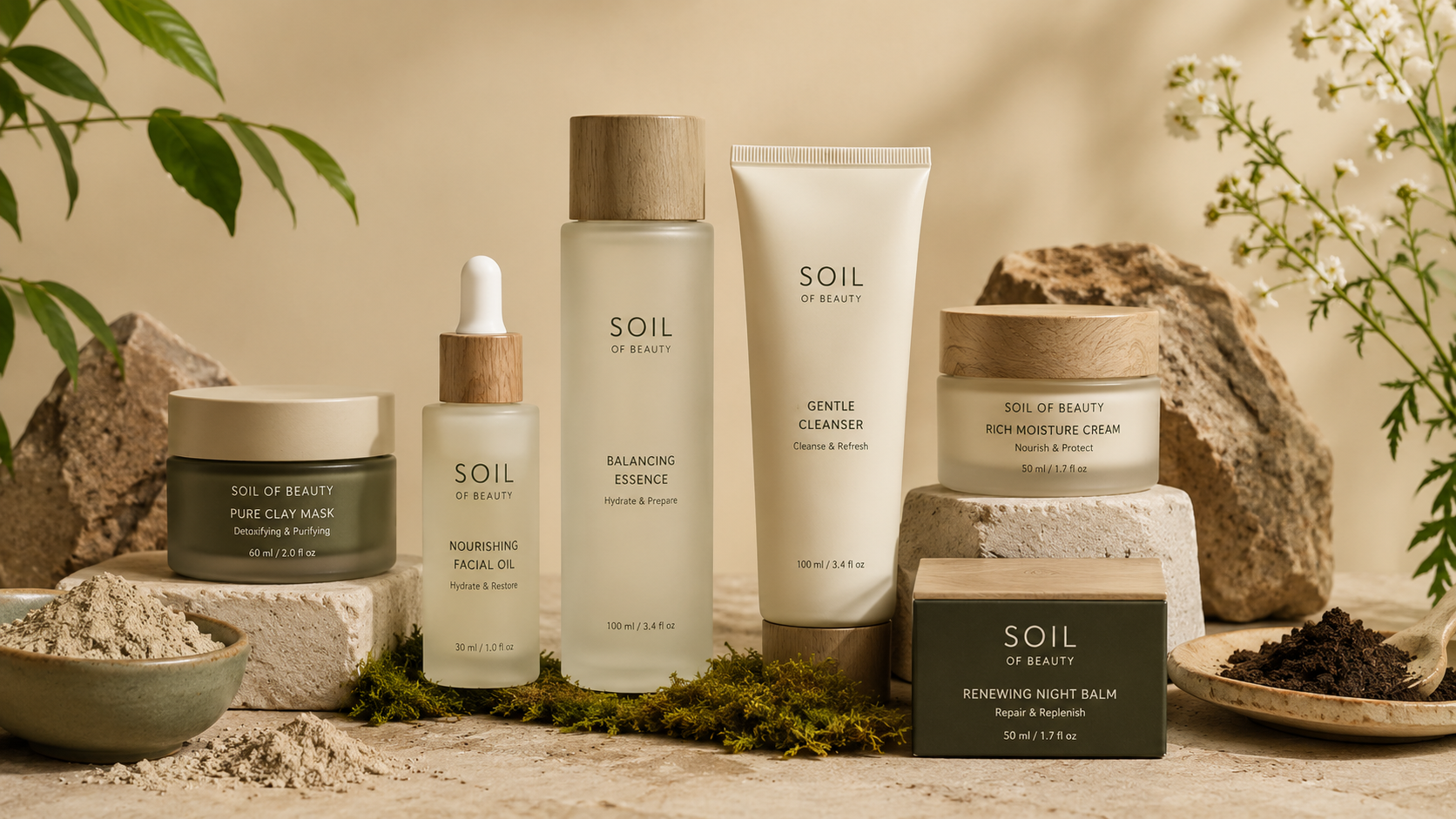
The beauty industry spends enormous energy convincing consumers that newer always means better. Ingredients trend aggressively online, packaging becomes more elaborate every season, and skincare routines continue growing longer despite rising consumer fatigue. Yet beneath all the noise, many customers are moving in the opposite direction. They are looking for products that feel calmer, more transparent, and more connected to real life. Kalle Rosenberg Soil of Beauty Profile emerged inside that shift with a company philosophy centered on simplicity, authenticity, and trust.
For modern beauty consumers, the challenge is no longer lack of options. The problem is sorting through endless claims while trying to identify products that genuinely fit their lives. Many brands compete for attention through urgency and transformation promises, but customers increasingly respond to businesses that feel emotionally grounded instead. Soil of Beauty positioned itself around that growing demand for restraint, creating a beauty brand that emphasized consistency and credibility rather than constant spectacle.
The Problem Soil of Beauty Was Really Solving
The beauty market has become deeply complicated for ordinary consumers. Customers are expected to understand advanced ingredient terminology, build multi-step skincare systems, and constantly update routines based on shifting trends. That environment often creates anxiety rather than confidence. Soil of Beauty recognized that many consumers were exhausted by the pressure to continuously optimize themselves through products.
There was also growing skepticism around beauty branding itself. Consumers became increasingly aware that many companies were selling aspiration more aggressively than functionality. Kalle Rosenberg appeared to understand that customers wanted honesty and emotional clarity alongside product quality. Instead of pushing endless novelty, Soil of Beauty focused on creating products and messaging that felt dependable and approachable.
Another frustration the company addressed was disconnection from natural simplicity. Beauty marketing frequently emphasizes dramatic results and laboratory-heavy language, which can sometimes feel emotionally distant from everyday wellness. Soil of Beauty leaned toward a more grounded identity that connected skincare with balance and comfort rather than perfection. That distinction helped the brand stand apart in a crowded marketplace.
Why Kalle Rosenberg Saw the Industry Differently
Kalle Rosenberg seemed to approach beauty less as a trend-driven category and more as a long-term relationship business. Many founders prioritize visibility and rapid product launches because beauty trends move quickly online. Rosenberg appeared more focused on understanding how customers build trust over time and why certain brands become part of daily routines while others disappear after temporary hype cycles.
His philosophy also reflected changing consumer behavior across wellness and skincare. Customers increasingly want products that feel emotionally sustainable, not routines that demand constant attention and spending. Instead of encouraging overconsumption, Soil of Beauty leaned toward creating a calmer and more manageable customer experience. That restraint became a meaningful advantage in an industry often dominated by urgency.
There was also discipline in how the brand positioned itself publicly. Beauty marketing frequently relies on exaggerated transformation stories and aspirational messaging designed to create emotional pressure. Kalle Rosenberg appeared to recognize that modern consumers are becoming more resistant to those tactics. By maintaining a more grounded communication style, Soil of Beauty strengthened credibility instead of chasing temporary excitement.
What Made Kalle Rosenberg Different From Competitors
Many beauty founders build companies heavily around trend visibility and personality-driven branding. Kalle Rosenberg appeared more interested in creating a durable skincare identity capable of surviving changing market conditions. That difference matters because beauty businesses built entirely around momentum often struggle once trends shift elsewhere. Soil of Beauty instead focused on consistency and familiarity.
The company also benefited from a slower and more deliberate product philosophy than many competitors. Beauty brands frequently expand aggressively into every possible category in hopes of remaining culturally visible online. While that approach can create short-term revenue, it can also weaken product quality and customer trust over time. Soil of Beauty appeared more selective in how it developed products and customer relationships.
Another important distinction was emotional accessibility. Luxury beauty brands can sometimes feel intimidating or overly aspirational, while mass-market products often struggle to maintain identity and credibility. Soil of Beauty operated between those extremes, creating a customer experience that felt refined without becoming exclusionary. That balance helped broaden the company’s appeal while preserving a clear sense of brand identity.
The Decision That Changed Soil of Beauty
The defining decision for Soil of Beauty was prioritizing long-term customer trust instead of aggressive expansion. In modern beauty retail, rapid growth is tempting because trends can create immediate spikes in visibility and sales. Many brands expand too quickly through oversized product catalogs, heavy influencer campaigns, or retail partnerships before operational systems are stable. Kalle Rosenberg appeared determined to avoid that cycle.
That choice likely slowed certain growth opportunities initially, but it also created stronger long-term stability. Fast expansion frequently damages customer experience through inconsistent quality, weaker communication, and inventory problems. By focusing first on product consistency and customer retention, Soil of Beauty positioned itself more sustainably. The company’s strategy reflected confidence that loyalty ultimately matters more than temporary hype.
The decision also revealed something important about Rosenberg’s leadership approach. He appeared less interested in building the loudest beauty brand and more interested in building one customers could repeatedly rely on. That mindset changes how a company develops products, trains staff, and measures success internally. It shifts attention away from visibility alone and toward reputation.
Turning Mission Into Operations
Beauty companies often speak broadly about wellness, authenticity, and empowerment, but those ideas only matter when they shape operational decisions. Soil of Beauty translated its philosophy into product selection, customer communication, and retail consistency. Operational discipline became part of the customer experience rather than something hidden behind marketing campaigns.
Customer interactions also became central to maintaining loyalty. Consumers return to beauty brands when they feel respected, informed, and emotionally comfortable throughout the purchasing process. That requires employees who understand both the technical side of skincare and the emotional side of customer trust. Businesses that underestimate those details often struggle to maintain repeat relationships over time.
Supply chain reliability and transparency also became increasingly important as beauty consumers demanded more accountability. Customers now pay closer attention to ingredients, sourcing practices, and product consistency. Operational reliability therefore affects credibility as much as advertising does. Maintaining that trust requires patience and discipline that many rapidly growing beauty brands fail to sustain.
The Difficult Reality of Scaling
Scaling a beauty company creates pressure from every direction simultaneously. Consumer attention shifts quickly, advertising costs continue rising, and larger competitors dominate visibility across retail and digital channels. Soil of Beauty operates in a category where customer loyalty is difficult to maintain even for respected brands.
Growth also creates the risk of losing emotional authenticity. Smaller beauty businesses often succeed because they feel personal, approachable, and carefully curated. Rapid expansion can dilute those qualities if operational systems and communication fail to keep pace. Protecting that emotional connection while growing commercially becomes one of the most difficult challenges founders face.
There is also increasing pressure around sustainability, transparency, and product performance at the same time. Customers expect beauty products to meet ethical standards while still delivering dependable results consistently. Balancing those expectations requires operational maturity and financial discipline. For founders like Kalle Rosenberg, scaling successfully means protecting customer trust while adapting to larger commercial realities.
What Kalle Rosenberg’s Story Actually Reveals
The story of Kalle Rosenberg Soil of Beauty Profile reflects a broader shift happening across modern beauty businesses. Customers are becoming less impressed by exaggerated marketing and more interested in reliability, emotional clarity, and consistency. They increasingly support brands that fit naturally into daily life instead of constantly demanding attention. Businesses that understand this shift often build stronger long-term loyalty.
Rosenberg’s approach also highlights how restraint can become a strategic advantage in modern retail. The companies most likely to endure are not always the ones dominating online conversations every week. Sometimes the stronger position comes from creating stability inside industries driven by constant change. In beauty, that kind of trust may ultimately become one of the most valuable advantages a brand can build.