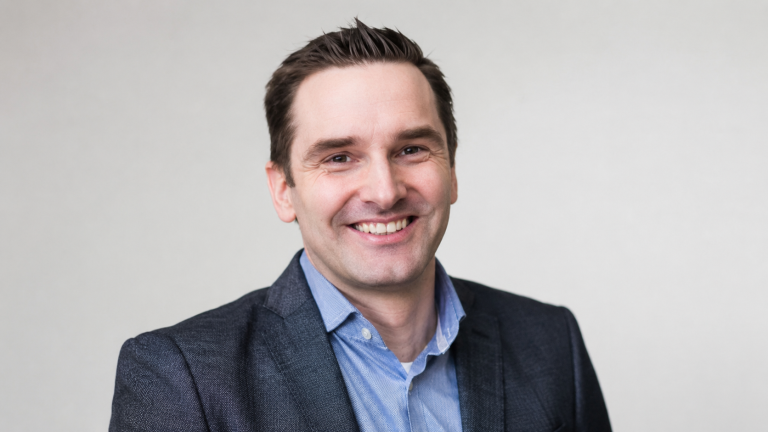
Beauty consumers have never had more choices, yet many brands still struggle to create trust. Shelves are crowded with identical promises, influencer campaigns fade quickly, and product launches move faster than customer loyalty can keep up. Ave Ottesson MG Beauty sits inside that tension. Rather than trying to compete only on visibility, MG Beauty has focused on building a beauty business around customer relationships, curated experiences, and long-term brand positioning in a market increasingly shaped by fatigue.
For founders entering beauty today, the challenge is no longer simply getting attention. The harder task is maintaining relevance after the first purchase, especially in a category where trends shift weekly and consumer skepticism continues to grow. Ave Ottesson understood early that modern beauty customers were not only buying products; they were buying confidence in recommendations, consistency in quality, and a retail environment that felt more personal than transactional. That insight shaped the direction of MG Beauty and helped define its place in a crowded industry.
The Problem MG Beauty Was Really Solving
The beauty market often creates confusion instead of clarity. Consumers are overwhelmed by ingredient claims, viral products, and endless skincare routines that frequently contradict one another. Large retailers push volume, while smaller brands struggle to establish credibility before trends move on. MG Beauty entered this environment by focusing less on noise and more on simplifying the customer experience.
For many customers, beauty shopping had become exhausting rather than enjoyable. Endless product options created decision fatigue, especially online where algorithms often prioritize visibility over suitability. MG Beauty recognized that many shoppers wanted guidance they could trust instead of aggressive sales tactics. That meant building a business around curation, education, and repeat customer confidence rather than chasing short-term viral momentum.
The company also responded to another frustration that many beauty consumers quietly share: inconsistency. Customers may love a product one month and struggle to find it the next, or they encounter quality differences between launches. By creating a more controlled retail and brand environment, MG Beauty positioned itself as a place where reliability mattered as much as trend awareness. That distinction may sound subtle, but in beauty retail, trust compounds over time.
Why Ave Ottesson Saw the Industry Differently
Ave Ottesson approached beauty with a broader understanding of consumer behavior rather than treating the category purely as fashion or cosmetics. Many founders in the space focus heavily on aesthetics and marketing while underestimating how emotionally driven purchasing decisions can become. Ottesson appeared to recognize that customers often return not because a brand is louder, but because it consistently reduces uncertainty.
That perspective shaped the company’s tone and operational decisions. Instead of relying entirely on aspirational messaging, MG Beauty leaned toward creating an approachable customer experience that balanced trends with practicality. Consumers increasingly want products that fit naturally into daily life, not routines that feel performative or impossible to maintain. Ottesson’s approach reflected a belief that beauty businesses grow stronger when they become part of normal habits rather than occasional hype cycles.
There was also a timing advantage in how she viewed the market. The beauty industry has shifted dramatically toward community-driven purchasing, where recommendations from trusted sources carry more weight than traditional advertising. Ave Ottesson understood that relationship-building could become a competitive advantage in itself. That mindset helped MG Beauty compete in a category dominated by companies with significantly larger marketing budgets.
What Made Ave Ottesson Different From Competitors
Many beauty founders build companies around personality-first branding. Ave Ottesson appeared more focused on creating a durable retail identity that could outlast temporary trends. That difference matters because beauty businesses often struggle when the founder becomes the entire brand story. MG Beauty instead emphasized consistency in customer experience, product positioning, and brand trust.
The company’s approach also reflected restraint, which is increasingly rare in modern beauty retail. Competitors frequently expand too quickly into every possible category, hoping to maximize exposure before consumer attention shifts elsewhere. MG Beauty appeared more deliberate in how it developed its positioning and customer relationships. That slower pace may not create instant headlines, but it often creates stronger retention over time.
Another difference was the balance between accessibility and aspiration. Luxury beauty can sometimes feel exclusionary, while mass-market beauty often sacrifices personalization for scale. MG Beauty operated somewhere between those extremes, creating an experience that felt curated without becoming intimidating. That balance helped the company appeal to customers looking for both quality and comfort in the same environment.
The Decision That Changed MG Beauty
The defining decision for MG Beauty was prioritizing customer loyalty over aggressive expansion. In beauty retail, rapid scaling is tempting because trends can produce quick revenue spikes. Many companies chase wholesale growth, influencer partnerships, and constant product launches in hopes of staying culturally relevant. Ave Ottesson instead appeared to focus on building a more stable foundation before pursuing wider visibility.
That decision likely slowed growth in the short term, but it also reduced some of the instability that often damages young beauty brands. Rapid expansion can strain inventory systems, weaken quality control, and create inconsistent customer experiences. By concentrating on repeat relationships and operational consistency, MG Beauty positioned itself for steadier long-term growth. The company’s strategy suggested confidence that loyalty is ultimately more valuable than temporary momentum.
The choice also revealed something important about Ottesson’s philosophy as a founder. She appeared less interested in becoming the loudest voice in beauty and more interested in becoming one of the most dependable. That distinction changes how a company hires, markets products, and measures success internally. It shifts the business from attention-seeking to reputation-building.
Turning Mission Into Operations
Beauty brands often speak about empowerment, confidence, and authenticity, but those ideas only matter when they affect operational decisions. MG Beauty translated its positioning into customer-facing systems, product selection, and retail consistency. The company’s operational focus appeared centered on maintaining a controlled experience rather than maximizing product volume at all costs.
Hiring also becomes different when customer trust is treated as a strategic asset. Employees are no longer simply sales representatives; they become part of the advisory relationship customers expect from beauty retailers. That requires stronger product knowledge, clearer communication, and a retail environment where customers feel guided instead of pressured. Businesses that ignore this dynamic often struggle to maintain long-term loyalty.
Supply chain discipline also plays a major role in beauty retail credibility. Customers increasingly expect transparency around ingredients, sourcing, and product reliability. Operational consistency therefore becomes part of brand identity rather than just backend logistics. MG Beauty’s positioning depended not only on aesthetic presentation, but on maintaining confidence that products and recommendations would remain dependable over time.
The Difficult Reality of Scaling
Scaling a beauty company is rarely as glamorous as the industry appears from the outside. Margins can tighten quickly, customer acquisition costs continue rising, and consumer loyalty is notoriously fragile. MG Beauty operates in a category where trends can disappear almost overnight, forcing companies to constantly adapt without losing their identity.
Competition also creates pressure from every direction simultaneously. Large global brands dominate distribution and advertising budgets, while smaller digital-first startups move quickly and aggressively online. That leaves mid-sized beauty businesses in a difficult position where differentiation must come from customer experience and operational quality rather than pure scale. Maintaining that balance becomes increasingly difficult as growth accelerates.
There is also the challenge of sustaining authenticity while expanding commercially. Consumers often support smaller beauty brands because they feel personal and approachable, but rapid growth can dilute that connection. Companies that scale too aggressively sometimes lose the qualities that made customers trust them initially. For founders like Ave Ottesson, protecting that relationship may become just as important as increasing revenue.
What Ave Ottesson’s Story Actually Reveals
The story of Ave Ottesson MG Beauty reflects a broader shift happening across consumer businesses. Modern customers are becoming harder to impress but easier to lose. They expect quality, transparency, consistency, and emotional credibility at the same time. Businesses that survive are often the ones that reduce friction rather than simply increase visibility.
Ottesson’s approach also highlights how retail success increasingly depends on restraint. The companies most likely to endure are not always the ones growing fastest or dominating social media conversation every week. Sometimes the stronger position comes from creating stability inside industries built around constant change. In beauty, that may be one of the most difficult competitive advantages to build.