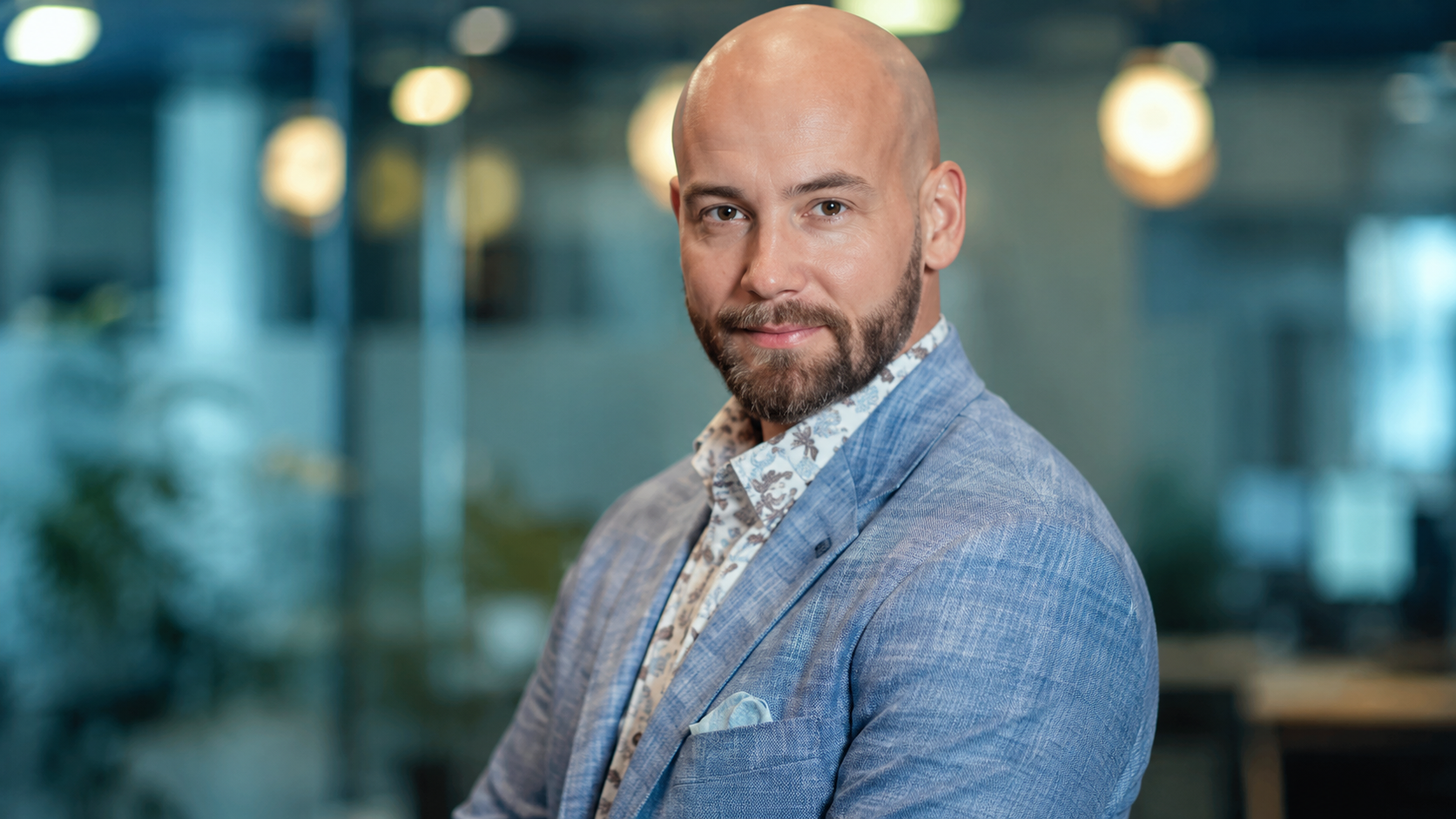
Most organizations claim they want innovation, but many resist the uncomfortable process that real change demands. Companies invest heavily in leadership programs, internal workshops, and strategic frameworks, only to discover that employees still operate inside rigid systems shaped by hierarchy, habit, and fear of failure. The result is a corporate culture where transformation becomes a slogan rather than an operational reality. That tension created the environment in which MuutosAkatemia found its relevance.
When Markus Ikonen began shaping the company, he appeared less interested in motivational business culture and more focused on how organizations actually behave under pressure. Businesses were already flooded with consultants promising productivity improvements and leadership optimization, yet many teams remained disconnected from decision-making and resistant to adaptation. Ikonen recognized that the deeper issue was not knowledge itself, but the inability of organizations to translate learning into everyday operational behavior.
That distinction gave MuutosAkatemia a more practical identity than many firms operating in the professional development space. Instead of treating transformation as a branding exercise, the company focused on organizational behavior, leadership psychology, and structural change inside businesses trying to remain competitive in unstable markets. In a climate where companies faced increasing uncertainty, the ability to adapt became more valuable than polished mission statements.
The Problem MuutosAkatemia Was Really Solving
Many organizations struggle with change not because they lack strategy, but because they underestimate human resistance. Leadership teams often announce new initiatives expecting alignment to happen automatically, while employees interpret those shifts as additional pressure layered onto already demanding workloads. The gap between executive intention and organizational reality creates friction that slows implementation and weakens trust. MuutosAkatemia entered a market where companies needed more than inspirational messaging about growth and innovation.
That challenge became especially visible in industries facing rapid technological and operational shifts. Businesses were under pressure to modernize workflows, restructure teams, and rethink leadership models while still maintaining profitability and stability. Traditional consulting approaches frequently focused on systems and frameworks without addressing how people actually react to uncertainty inside organizations. Markus Ikonen appeared to recognize that sustainable transformation requires behavioral alignment as much as strategic planning.
The company’s approach reflected a broader change happening across leadership culture. Employees increasingly expect transparency, participation, and clarity during periods of organizational change. Companies that ignore those expectations often experience disengagement, burnout, and internal resistance even when strategic decisions make commercial sense. MuutosAkatemia positioned itself around helping organizations navigate those tensions rather than pretending transformation could happen smoothly or instantly.
Why Markus Ikonen Saw the Industry Differently
One reason Markus Ikonen stood apart was his apparent skepticism toward simplified leadership narratives. Many professional development companies market transformation as an energizing process driven primarily by mindset and motivation. But organizations are far more complicated than that. Internal politics, communication breakdowns, fear of instability, and unclear accountability frequently undermine even well-designed strategies.
Ikonen seemed to approach transformation as a structural and psychological challenge rather than a branding opportunity. That mindset influenced how MuutosAkatemia positioned its services, focusing less on abstract inspiration and more on operational behavior inside teams and leadership structures. Businesses often fail during periods of change because executives underestimate how deeply organizational habits shape decision-making. Addressing those realities required a more grounded and disciplined approach.
There was also a noticeable emphasis on long-term adaptability instead of temporary performance spikes. Many consulting firms prioritize immediate enthusiasm because short-term momentum creates visible client satisfaction. But rapid enthusiasm often fades once organizations encounter execution pressure. MuutosAkatemia appeared more interested in helping companies build systems capable of sustaining change after the initial excitement disappeared.
What Made Markus Ikonen Different From Competitors
The leadership consulting industry is crowded with companies selling certainty. Firms frequently promise predictable transformation outcomes despite the fact that organizational change is inherently unstable and deeply human. Markus Ikonen differentiated himself by acknowledging complexity rather than oversimplifying it. That restraint likely helped build credibility with executives exhausted by unrealistic business rhetoric.
Another difference was the company’s apparent focus on operational integration rather than isolated training sessions. Many organizations invest in workshops that generate temporary motivation but fail to influence daily decision-making once employees return to normal routines. MuutosAkatemia positioned itself closer to a long-term organizational partner, emphasizing behavioral consistency and leadership alignment instead of standalone performance events.
The company also benefited from avoiding exaggerated corporate language. Businesses increasingly distrust firms that rely heavily on fashionable terminology while offering vague execution models. MuutosAkatemia’s more measured positioning likely resonated with companies looking for practical guidance rather than symbolic transformation campaigns. In professional services, clarity often creates more trust than ambition alone.
The Decision That Changed MuutosAkatemia
One defining decision appears to have been the company’s commitment to treating organizational change as an operational process rather than a purely educational service. That shift increased complexity significantly. It meant taking responsibility not only for training or consulting, but also for how transformation efforts functioned inside real business environments under pressure.
For Markus Ikonen, the decision reflected a broader belief about modern leadership challenges. Companies no longer needed theoretical frameworks disconnected from execution realities. They needed systems capable of helping leaders manage uncertainty, resistance, and organizational fatigue simultaneously. Expanding into deeper operational involvement allowed MuutosAkatemia to differentiate itself from firms focused primarily on seminars and motivational programming.
That decision also carried risk because operational partnerships create higher expectations from clients. Once a company becomes involved in structural change efforts, outcomes become harder to separate from business performance itself. But the move strengthened MuutosAkatemia’s positioning as a company focused on practical organizational adaptability rather than symbolic leadership development.
Turning Mission Into Operations
Helping organizations navigate change requires significant internal discipline. Companies advising others on leadership and transformation must maintain credibility through their own operational behavior. MuutosAkatemia appeared to focus heavily on communication structure, organizational clarity, and consistent client interaction because those elements directly influence trust during periods of uncertainty.
Hiring decisions likely became especially important as the company expanded. Professionals working inside transformation-focused businesses need more than presentation skills or theoretical expertise. They must understand leadership psychology, conflict management, and organizational behavior under stress. Markus Ikonen seemed aware that effective consulting depends heavily on emotional intelligence combined with operational credibility.
The company’s operational philosophy also reflected changing expectations inside modern workplaces. Employees increasingly expect transparency from leadership during periods of restructuring and uncertainty. Businesses that communicate poorly often create resistance even when strategic decisions are commercially necessary. MuutosAkatemia positioned itself around helping organizations reduce that disconnect between leadership intention and employee experience.
The Difficult Reality of Scaling
Scaling a company centered around organizational trust creates unusual pressure. Growth increases commercial opportunity, but it can also weaken the close relationships and consistency that originally made the business effective. For MuutosAkatemia, maintaining service quality while expanding likely became one of the company’s most difficult operational balancing acts.
Competition inside the leadership consulting market also intensified significantly over the past decade. Digital coaching platforms, corporate training providers, and independent consultants all compete for the same executive attention. That environment forced Markus Ikonen to differentiate the company through operational credibility and long-term client value rather than marketing visibility alone.
There is also the broader challenge of operating inside a business culture increasingly skeptical of corporate consulting itself. Many organizations have spent years investing in transformation programs with limited measurable results. Companies now expect clearer accountability, stronger implementation support, and more realistic communication about change management. That pressure likely forced MuutosAkatemia to remain disciplined about execution rather than relying on aspirational messaging.
What Markus Ikonen’s Story Actually Reveals
The rise of Markus Ikonen and MuutosAkatemia reflects a broader shift in how organizations think about leadership and transformation. Companies are becoming less interested in symbolic innovation language and more focused on whether teams can actually adapt under operational pressure. In that environment, behavioral consistency and organizational trust matter as much as strategic vision.
The company’s trajectory also highlights how modern business leadership increasingly revolves around managing uncertainty rather than avoiding it. Businesses no longer operate in stable environments where long-term predictability can be assumed. Organizations capable of building adaptability into their culture may ultimately prove more resilient than those relying solely on structure or hierarchy.