Modern businesses are under constant pressure to evolve faster than their internal systems can realistically handle. Companies are expected to adopt new technologies, restructure teams, improve efficiency, strengthen culture, and respond instantly to changing markets — often all at the same time. Yet many organizations quietly struggle during transformation because operational change moves faster than leadership alignment and employee adaptation. Businesses frequently underestimate how disruptive constant transition becomes internally.
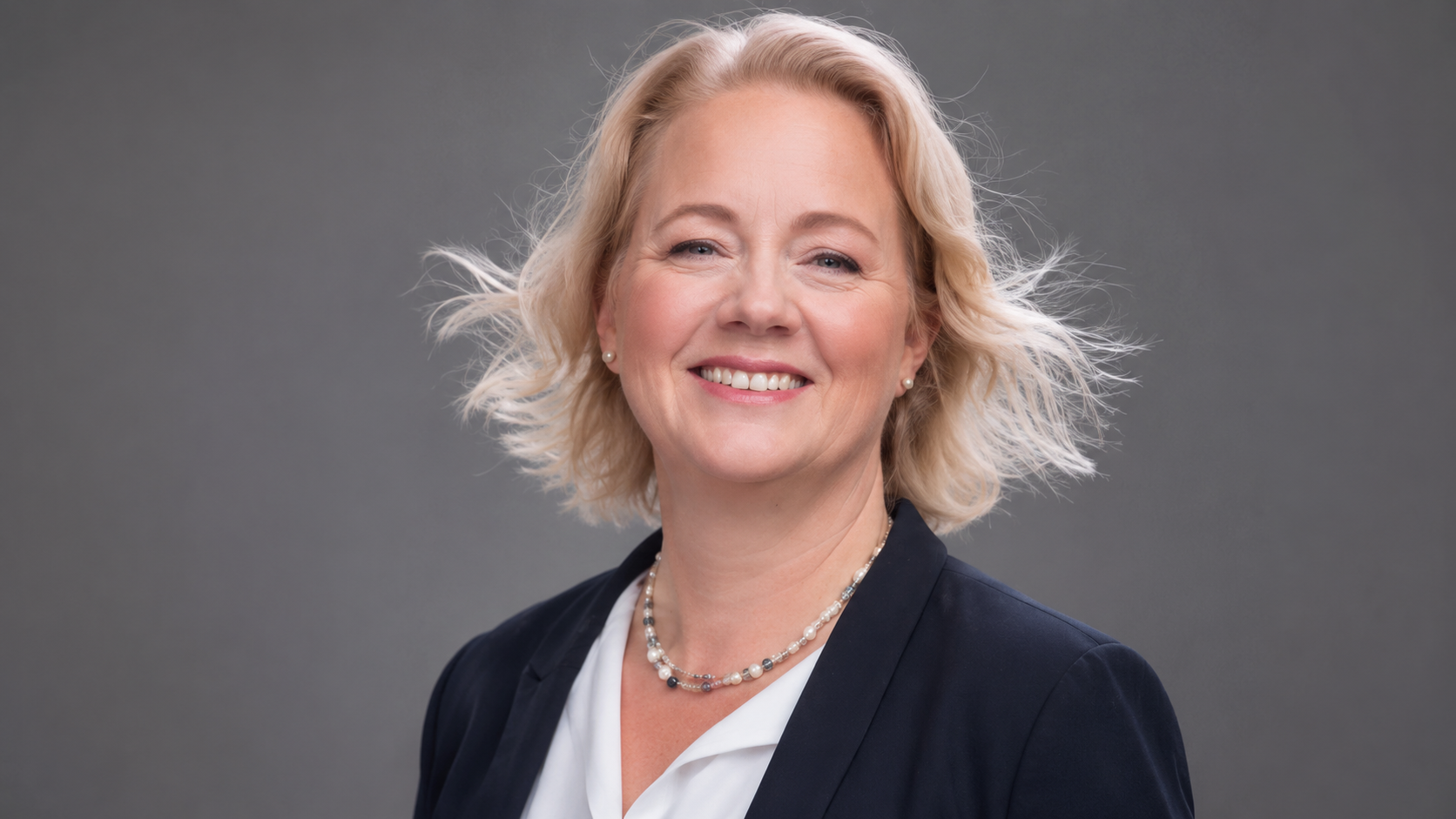
That challenge shaped the rise of Sanna Liimatainen Jokui Consulting. Through Jokui Consulting, Liimatainen focused on helping organizations manage change more intelligently, with stronger communication, clearer leadership coordination, and healthier organizational structures. Her company emerged during a period when businesses increasingly realized that transformation itself had become a permanent operating condition rather than a temporary phase. Jokui Consulting positioned itself around sustainable organizational adaptation instead of reactive corporate restructuring.
The timing mattered because modern companies were experiencing overlapping pressures simultaneously. Digital transformation accelerated across industries while workforce expectations shifted dramatically around flexibility, communication, and leadership transparency. At the same time, organizations faced increasing uncertainty related to economic conditions, operational complexity, and evolving customer behavior. Liimatainen recognized that many businesses were not failing because they resisted change, but because they lacked systems capable of supporting continuous adaptation effectively.
The Problem Jokui Consulting Was Really Solving
For years, organizational consulting often approached change through large-scale strategic planning without fully addressing the human and operational friction underneath. Businesses introduced new systems, management models, and transformation initiatives while assuming employees and leadership teams would naturally adjust over time. In reality, many organizations became overwhelmed by unclear communication, fragmented execution, and leadership inconsistency during periods of transition.
Jokui Consulting approached the issue differently by focusing on organizational clarity and adaptability together. Liimatainen understood that change management is not simply about implementing new strategies. It requires helping people, systems, and leadership structures evolve in coordination. Jokui Consulting therefore emphasized communication quality, operational alignment, and leadership awareness rather than purely structural transformation.
The company also recognized growing frustration among employees navigating constant workplace disruption. Many professionals experienced organizational change as chaotic rather than strategic because leadership teams often prioritized speed over clarity. Jokui Consulting positioned itself around helping businesses reduce uncertainty internally while maintaining operational momentum externally. That distinction strengthened the company’s relevance in increasingly unstable work environments.
There was also a broader cultural shift affecting organizations globally. Employees increasingly expected workplaces to communicate more transparently and involve teams more thoughtfully during periods of change. Businesses relying heavily on top-down restructuring models often struggled with engagement, retention, and trust afterward. Liimatainen recognized that sustainable transformation required stronger relational leadership rather than purely procedural management.
Why Sanna Liimatainen Saw the Industry Differently
What distinguished Sanna Liimatainen from many consultants was her broader understanding of organizational change as a human system rather than a purely operational process. Much of corporate consulting still treats transformation as a technical exercise focused mainly on systems, workflows, and performance targets. Liimatainen instead recognized that leadership behavior, communication patterns, and emotional stability strongly influence whether organizational change succeeds long term. That perspective shaped how Jokui Consulting approached its work.
Her thinking also challenged the assumption that faster transformation automatically creates stronger businesses. Many organizations became obsessed with rapid adaptation while overlooking employee exhaustion, cultural fragmentation, and leadership inconsistency developing underneath. Liimatainen understood that poorly managed change often creates operational instability rather than resilience. Jokui Consulting therefore focused on sustainable adaptation instead of constant organizational acceleration.
The strategy carried some commercial risk because businesses under pressure frequently prioritize immediate visible results over deeper structural alignment. Companies often prefer transformation programs that appear fast and decisive externally. Liimatainen’s approach instead emphasized clarity, communication, and organizational readiness before aggressive implementation. That restraint became part of Jokui Consulting’s credibility.
There was also realism in how she viewed leadership itself. Organizational change frequently exposes weaknesses in communication, trust, and strategic coordination inside leadership teams. Liimatainen appeared less interested in idealized leadership narratives and more focused on helping organizations function coherently during uncertainty. That practical orientation strengthened trust with companies navigating operational strain.
What Made Sanna Liimatainen Different From Competitors
The organizational consulting market is filled with firms offering transformation strategies, leadership coaching, and operational restructuring services. Sanna Liimatainen Jokui Consulting differentiated itself by focusing less on transformation branding and more on organizational functionality during periods of change. Liimatainen’s company emphasized sustainable adaptation instead of high-intensity corporate restructuring models.
The company also placed stronger emphasis on communication quality during transitions. Many organizational failures occur not because strategies are flawed, but because employees lose clarity around expectations, priorities, and leadership direction during implementation. Jokui Consulting concentrated carefully on helping organizations strengthen internal alignment throughout change processes. That systems-oriented approach improved long-term stability.
Another differentiator involved how Liimatainen approached employee experience itself. Traditional change management models often treat workforce resistance as an obstacle to overcome operationally. Jokui Consulting instead recognized that resistance frequently signals confusion, uncertainty, or weak communication inside organizations. That perspective allowed the company to approach transformation with greater organizational awareness.
The company also benefited from avoiding exaggerated consulting rhetoric. Many transformation firms market organizational change as a dramatic reinvention process filled with abstract corporate language. Liimatainen’s approach appeared more grounded in practical workplace behavior and operational realities. That accessibility strengthened credibility with leadership teams seeking workable solutions rather than symbolic restructuring programs.
The Decision That Changed Jokui Consulting
One defining decision for Jokui Consulting was its focus on organizational adaptability instead of isolated transformation projects. Many consulting firms operate around temporary restructuring initiatives that end once implementation begins. Liimatainen instead positioned the company around helping businesses strengthen their long-term capacity to manage continuous change internally. That strategic choice shaped Jokui Consulting’s identity significantly.
The decision involved meaningful trade-offs. Long-term organizational development often requires deeper engagement and slower measurable progress compared with short-term transformation programs. Businesses under pressure frequently prefer rapid restructuring because it creates immediate signals of action externally. Jokui Consulting accepted a more patient operational approach focused on sustainable internal capability instead of temporary momentum.
The strategy also reflected Liimatainen’s understanding of how modern business environments were evolving. Organizational change was no longer occasional. Businesses increasingly operated inside permanent transition conditions shaped by technology, workforce shifts, and economic uncertainty. Jokui Consulting positioned itself around helping organizations function effectively within that reality rather than treating change as a one-time event.
More importantly, the decision revealed a broader philosophy about business sustainability itself. Liimatainen appeared less interested in helping organizations look adaptable externally and more focused on helping them remain stable internally during periods of uncertainty. That distinction gave Jokui Consulting stronger long-term relevance across industries.
Turning Mission Into Operations
Consulting companies focused on organizational health are often judged by whether their own operational structures reflect the principles they promote externally. Jokui Consulting attempted to align its operational philosophy with the same communication clarity and adaptability it advocated through client work. That consistency strengthened trust with organizations seeking meaningful transformation support.
The company’s operational model also required balancing flexibility with structure. Businesses navigating change still need accountability, operational coordination, and strategic discipline. Jokui Consulting therefore needed systems capable of supporting adaptation without creating internal confusion itself. Maintaining that balance required strong communication and organizational awareness internally.
Hiring philosophy became equally important because businesses centered on transformation depend heavily on interpersonal understanding and leadership judgment. Employees needed the ability to navigate uncertainty, communicate clearly, and support organizations under pressure. That alignment strengthened Jokui Consulting’s ability to work effectively across different organizational environments.
Operational flexibility further improved long-term positioning. Workplace expectations, leadership demands, and organizational structures continue evolving rapidly globally. Liimatainen’s company appeared willing to adapt alongside those changes while preserving its emphasis on communication and sustainable organizational behavior. That responsiveness strengthened relevance across multiple industries.
The Difficult Reality of Scaling
Scaling organizational consulting businesses creates operational tension quickly. Clients expect increasingly personalized support while growth pressures firms toward broader systems and standardized frameworks. As Jokui Consulting expanded, preserving the depth and quality of its organizational work likely became more challenging. Growth can easily weaken the nuance that originally differentiated consulting relationships.
Competition inside transformation consulting also intensified significantly. Larger firms possessed broader corporate networks, stronger global visibility, and deeper operational resources. Smaller specialized businesses therefore faced pressure to differentiate themselves while maintaining credibility and service quality. Jokui Consulting needed to remain visible without abandoning its more grounded organizational philosophy.
There is also skepticism surrounding change management itself. Many businesses invest heavily in transformation programs without seeing meaningful long-term operational improvements afterward. Liimatainen had to demonstrate that Jokui Consulting improved communication, organizational alignment, and adaptability in measurable ways rather than simply introducing temporary restructuring activity. That required balancing strategic insight with practical implementation credibility.
Leadership pressure increases alongside visibility. Companies focused on organizational sustainability are often expected to embody those same principles internally during periods of growth and operational pressure. The challenge for Liimatainen was not only helping clients navigate uncertainty successfully, but maintaining consistency inside her own company simultaneously.
What Sanna Liimatainen’s Story Actually Reveals
The rise of Sanna Liimatainen Jokui Consulting reflects a broader shift in how businesses are beginning to think about organizational change itself. Companies increasingly understand that transformation is not only a technical process involving systems and strategies. It is also a human process shaped by communication, leadership clarity, and organizational trust.
What makes Liimatainen’s story notable is not simply that she built another consulting company. She recognized that many organizations were becoming structurally exhausted by constant change long before transformation fatigue became a more visible workplace issue. Jokui Consulting positioned itself around sustainable adaptation instead of reactive restructuring.
The company’s growth suggests that modern organizations are becoming more selective about how they manage internal evolution. Leaders increasingly want systems capable of balancing flexibility with stability and operational performance with human sustainability. Liimatainen’s work reflects an emerging understanding that strong organizations are often built less through dramatic reinvention and more through disciplined adaptability.