The industrial world is generating more data than at any point in history, yet many organizations still struggle to answer a surprisingly simple question: can they trust the information they receive? Sensors monitor machinery, infrastructure, environmental conditions, and production systems around the clock. However, when measurements are inaccurate, inconsistent, or difficult to interpret, businesses often find themselves making critical decisions based on uncertainty rather than insight.
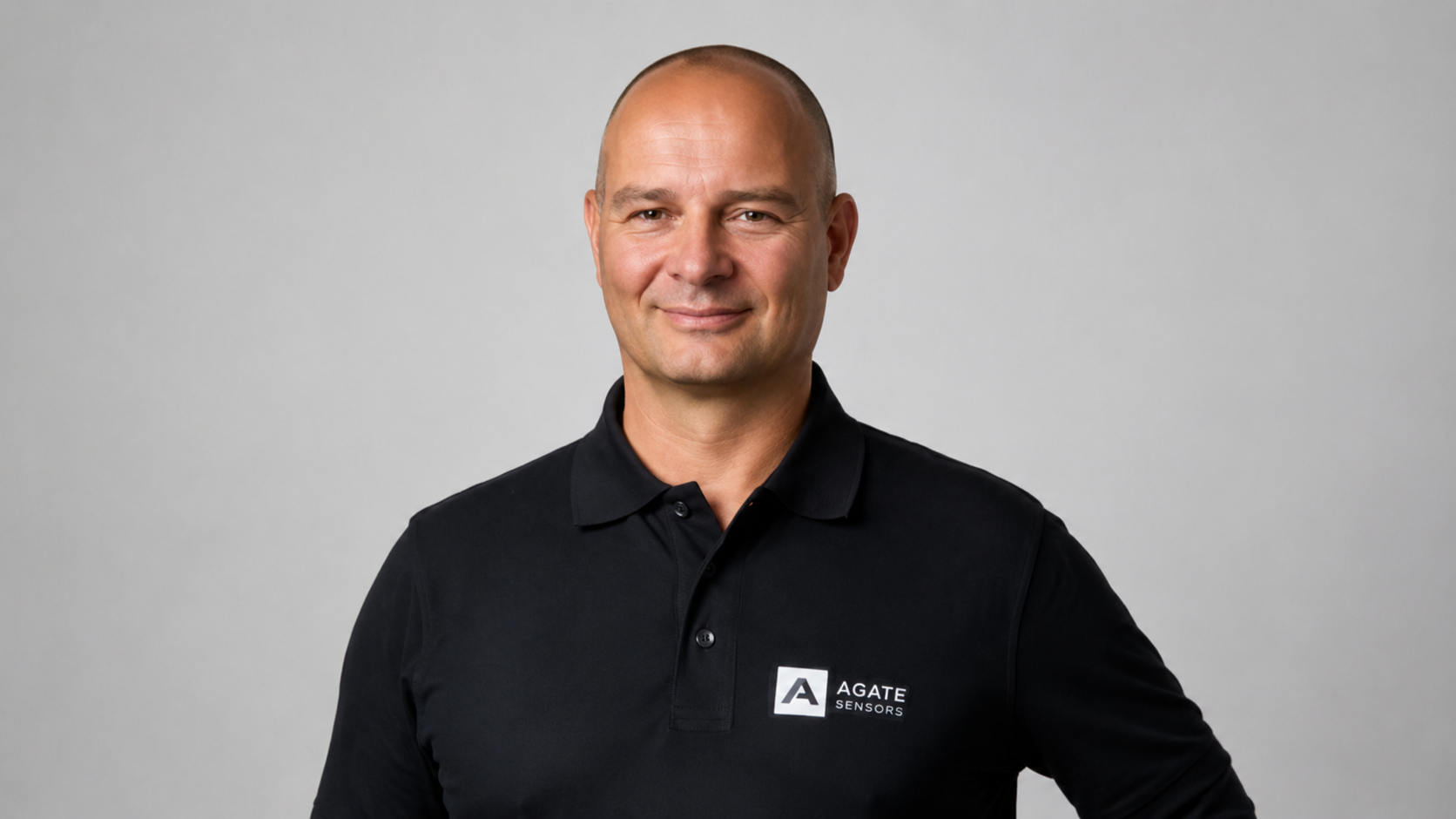
That challenge sits at the center of what Mikael Westerlund has pursued through AGATE Sensors. While the sensor market is often discussed in terms of hardware specifications and technical performance, Westerlund recognized a larger issue. Organizations do not purchase sensors because they want more data. They invest in sensing technology because they want greater confidence in the decisions that data supports.
As industries continue moving toward automation, predictive maintenance, and intelligent operations, reliable measurement has become increasingly important. The growth of AGATE Sensors reflects a broader shift in how businesses view operational intelligence. Data is no longer simply a byproduct of operations. It has become a strategic asset, and its value depends entirely on whether it can be trusted.
The Problem AGATE Sensors Was Really Solving
Many industrial organizations have spent years investing in digital transformation initiatives. New software platforms, monitoring systems, and analytics tools promise greater efficiency and visibility. Yet these investments often depend on one critical assumption: the information entering those systems is accurate. When measurement quality declines, the effectiveness of every connected system can suffer.
AGATE Sensors identified a gap that many businesses overlooked. While organizations focused on dashboards, automation, and analytics, the underlying quality of sensor data was frequently treated as a secondary concern. Small inaccuracies in measurement can create larger operational consequences over time, affecting maintenance schedules, production efficiency, safety procedures, and investment decisions. The challenge was not simply collecting information but ensuring its reliability.
This issue became even more significant as businesses adopted increasingly automated processes. Human operators who once verified conditions manually became more dependent on sensor-generated information. As reliance on automation increased, so did the importance of dependable measurements. AGATE Sensors positioned itself around addressing that reality rather than simply supplying another hardware component.
A deeper challenge involved trust within operational environments. Engineers, facility managers, and technical teams need confidence that monitoring systems reflect actual conditions. When sensor performance becomes questionable, organizations often create additional layers of verification, reducing efficiency and increasing costs. By focusing on measurement reliability, AGATE Sensors sought to remove uncertainty from that equation.
Why Mikael Westerlund Saw the Industry Differently
For Mikael Westerlund, sensor technology appears to be most valuable when it supports better decisions rather than generating larger volumes of information. This perspective differs from much of the technology sector, where innovation is often measured by the amount of data produced rather than the usefulness of that data. Westerlund understood that more information does not automatically create better outcomes.
His approach reflects a practical understanding of industrial operations. Organizations rarely invest in monitoring systems because they enjoy collecting measurements. They invest because they want to improve performance, reduce downtime, strengthen safety, and allocate resources more effectively. Viewing sensors through that lens changes how products are designed and how customer value is defined.
There is also a recognition that industrial customers operate under conditions where reliability matters more than novelty. New features may attract attention, but dependable performance earns long-term trust. Westerlund’s perspective suggests that innovation should enhance reliability rather than distract from it. This philosophy helped shape AGATE Sensors’ position within a highly technical market.
Another important aspect of this mindset involves patience. Technology markets frequently reward rapid product cycles and constant feature expansion. However, customers responsible for critical infrastructure often prioritize consistency over speed. Understanding this distinction allowed AGATE Sensors to focus on long-term performance rather than short-term market excitement.
What Made Mikael Westerlund Different From Competitors
The sensor industry contains numerous manufacturers capable of producing technically sophisticated products. What often separates successful companies from competitors is not simply engineering capability but a deeper understanding of customer challenges. Mikael Westerlund approached the market with a focus on operational outcomes rather than product specifications alone.
This philosophy influenced how AGATE Sensors engaged with customers. Businesses purchasing sensors are usually attempting to solve larger problems involving efficiency, maintenance, safety, or resource management. By concentrating on these broader objectives, the company positioned itself as a contributor to operational performance rather than merely a supplier of equipment.
The company also benefited from an emphasis on practical implementation. Technology solutions frequently fail because they are designed around theoretical performance rather than real-world conditions. Industrial environments introduce variables that laboratory testing cannot fully replicate. AGATE Sensors focused on creating solutions capable of performing reliably under these realities.
Trust became another distinguishing factor. Organizations responsible for critical operations often develop long-term relationships with suppliers capable of delivering consistent results. Building that trust requires more than technical competence. It demands transparency, accountability, and a willingness to prioritize customer outcomes over short-term opportunities.
The Decision That Changed AGATE Sensors
Every growing company eventually reaches a moment when it must decide how it wants to compete. For AGATE Sensors, one of the defining decisions involved focusing on trusted measurement rather than entering broader technology markets where competition often centers on features and price.
The decision carried meaningful risks. Specialization can limit immediate market opportunities and requires a stronger commitment to excellence within a specific area. It also increases customer expectations because organizations depend on specialized providers to deliver superior performance. However, the decision allowed AGATE Sensors to build a clearer identity and stronger market position.
By concentrating on reliability and data quality, the company aligned itself with customer priorities that are unlikely to disappear. As industrial operations become increasingly dependent on automated decision-making, trustworthy information becomes more valuable rather than less. This strategic choice positioned AGATE Sensors to benefit from that long-term trend.
The decision also revealed something important about the company’s philosophy. Instead of pursuing growth through expansion into unrelated areas, AGATE Sensors chose to deepen its expertise within a specific domain. This focus helped reinforce credibility while strengthening relationships with customers seeking dependable solutions.
Turning Mission Into Operations
Building a company around trusted data requires more than strong messaging. For AGATE Sensors, the mission needed to be reflected throughout product development, testing procedures, manufacturing processes, and customer support systems. Reliability cannot be added at the end of a production cycle. It must be embedded into every stage of operations.
Quality assurance became particularly important. Sensor technology often operates in demanding environments where temperature fluctuations, vibration, moisture, and other factors can influence performance. Ensuring accuracy under these conditions requires rigorous testing and continuous refinement. These operational decisions frequently determine whether products succeed in real-world applications.
The company also needed to balance innovation with dependability. Customers expect technology providers to evolve and improve, but they also require confidence that changes will not compromise performance. Managing this balance requires discipline, particularly in industries where operational disruptions can create significant costs.
Another operational challenge involves supporting customers after deployment. Sensor systems often become integrated into broader operational workflows, making reliability a long-term commitment rather than a one-time product feature. By maintaining a focus on customer outcomes, AGATE Sensors strengthened the connection between its mission and its daily activities.
The Difficult Reality of Scaling
Growth creates opportunities, but it also introduces complexity. As AGATE Sensors expanded, maintaining product quality across larger production volumes and more diverse customer environments likely became increasingly demanding. Scaling a technology business requires careful coordination between engineering, manufacturing, customer support, and strategic planning.
Competition represents another ongoing challenge. The global sensor market continues to attract significant investment, with established companies and emerging entrants competing for attention. Standing out requires more than technical capability. Businesses must demonstrate consistent value while adapting to changing customer expectations and technological developments.
Leadership pressure also increases during periods of expansion. Founders must make decisions involving hiring, product development, investment priorities, and market positioning while maintaining operational performance. Balancing growth with reliability can be particularly challenging when customers depend on products for mission-critical applications.
The company must also navigate evolving market demands. As industries adopt artificial intelligence, automation, and advanced analytics, expectations surrounding sensor performance continue to rise. Meeting these expectations requires ongoing investment and strategic adaptability. The ability to evolve without compromising core strengths becomes a crucial competitive advantage.
What Mikael Westerlund’s Story Actually Reveals
The experience of Mikael Westerlund highlights an important lesson about modern technology businesses. Success is often attributed to innovation, but innovation alone rarely creates lasting value. What matters is whether technology helps organizations make better decisions and operate more effectively over time.
The broader significance of the Mikael Westerlund AGATE Sensors story lies in its emphasis on trust as a business asset. As industries become increasingly dependent on data, the quality of that data becomes inseparable from organizational performance. Companies that can provide dependable information gain an advantage that extends far beyond technology itself.
In many ways, the future of industrial intelligence depends not on how much information organizations collect but on how confidently they can act upon it. That distinction may ultimately define the companies best positioned to succeed in an increasingly connected world.