Modern office culture has spent the last decade promising flexibility while quietly making work more fragmented. Companies downsized headquarters, embraced hybrid operations, and shifted toward shared workspaces, but many businesses discovered that flexibility alone did not solve operational inefficiency. Teams still struggled with collaboration, identity, and stability inside work environments designed more for short-term occupancy than long-term productivity.
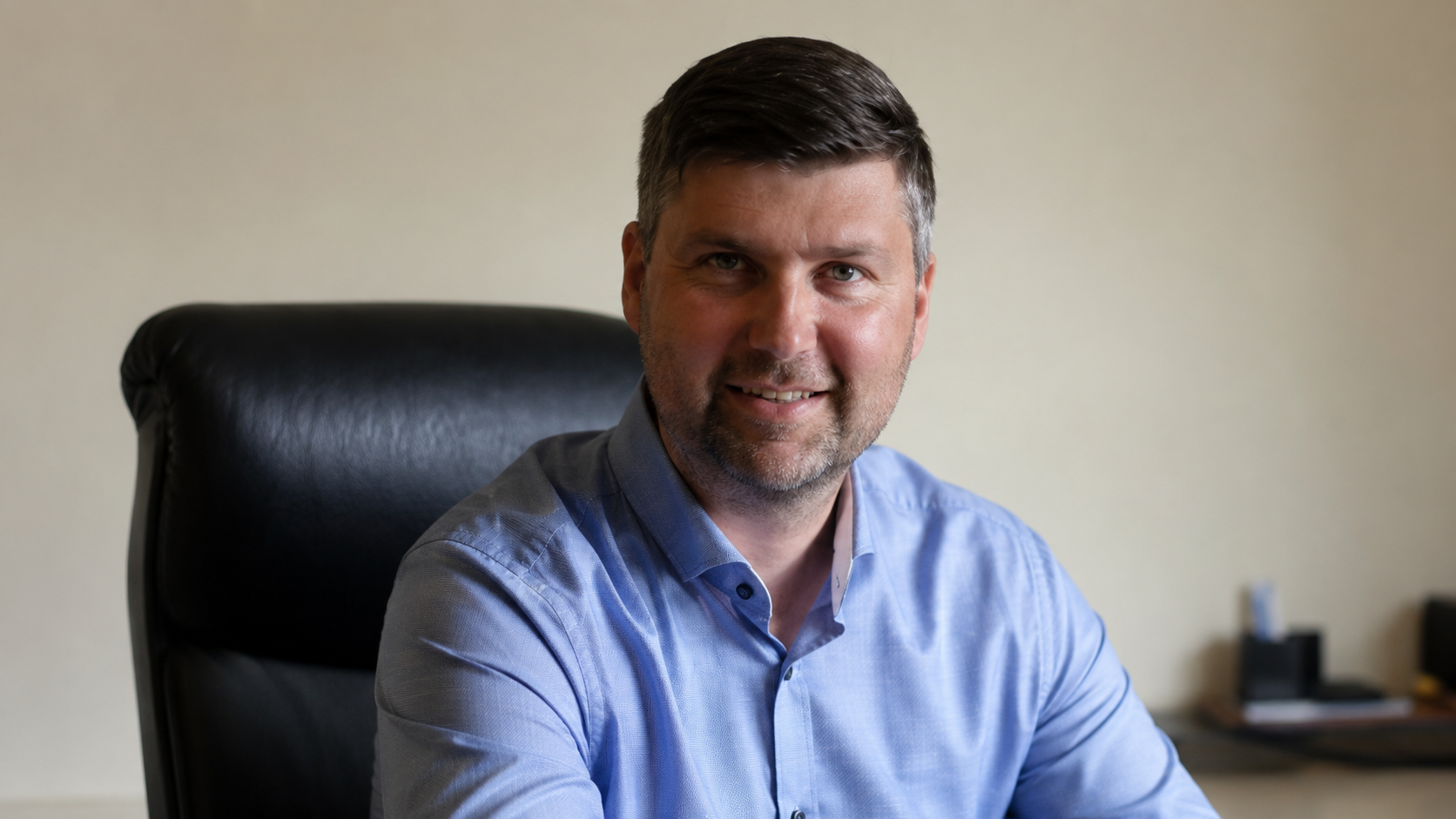
That tension created the opportunity for Enn Peil and Aaberg Business Center. Instead of treating office space as a temporary commodity, the company appears to have approached workspace infrastructure as a strategic business tool. In a market crowded with coworking brands focused heavily on aesthetics and rapid expansion, Aaberg Business Center seems more grounded in operational practicality and sustainable business relationships.
The shift is significant because commercial real estate has changed fundamentally since remote work accelerated across Europe. Businesses no longer evaluate office space purely by location or size. They increasingly assess whether a workspace improves operational clarity, employee experience, and organizational flexibility without sacrificing professionalism. Peil’s approach appears aligned with that changing expectation.
The Problem Aaberg Business Center Was Really Solving
For many companies, traditional office leasing had become unnecessarily rigid. Businesses were forced into long-term contracts, expensive maintenance obligations, and operational structures that no longer matched modern working patterns. At the same time, many coworking alternatives created the opposite problem by prioritizing short-term convenience over business continuity. Aaberg Business Center entered a market where companies wanted balance rather than extremes.
The issue extended beyond physical space itself. Businesses increasingly needed environments that supported hybrid work while still preserving team cohesion and professional credibility. Many shared office providers focused heavily on design aesthetics and social branding, yet failed to address operational realities like privacy, consistency, or scalability. Peil appears to have recognized that companies were not simply renting desks; they were searching for reliable infrastructure that could adapt alongside their growth.
There was also growing frustration with impersonal workspace models. As commercial real estate became more transactional, businesses often felt disconnected from the environments they occupied. Aaberg Business Center seems positioned around a more relationship-driven approach, where workspace functions less as a temporary product and more as part of a company’s operational ecosystem.
Why Enn Peil Saw the Industry Differently
What separates Enn Peil from many commercial workspace founders is the apparent understanding that flexibility without stability eventually creates operational fatigue. Over the last several years, office culture became dominated by speed, mobility, and rapid adaptation. While those ideas appealed to startups initially, many companies later realized constant fluidity could weaken productivity and organizational identity.
Peil’s approach appears more measured. Instead of presenting flexibility as an end goal itself, Aaberg Business Center seems to treat adaptability as something that must exist alongside structure and professionalism. That distinction matters because businesses ultimately need environments that support continuity, not just convenience. Companies can work remotely from anywhere, but building culture and operational discipline remains more difficult without reliable physical infrastructure.
There is also a notable difference in leadership philosophy. Many workspace businesses were built around aggressive expansion models that prioritized occupancy growth above operational quality. Peil appears more focused on long-term tenant relationships and sustainable scaling rather than chasing visibility alone. In commercial real estate, that patience can become a major competitive advantage.
What Made Enn Peil Different From Competitors
One of the clearest differences between Enn Peil and competitors is the apparent refusal to reduce workspace into purely lifestyle branding. Over the past decade, many office providers marketed coworking environments almost like hospitality products, emphasizing social energy and aesthetics while overlooking operational functionality. Aaberg Business Center seems more grounded in how businesses actually operate day to day.
That philosophy likely shapes customer relationships as well. Businesses tend to stay longer in environments where reliability outweighs novelty. Peil’s company appears focused on consistency, service quality, and professional usability rather than constant reinvention. In commercial property markets, trust is often built quietly through operational dependability rather than dramatic marketing campaigns.
The company’s positioning also feels more restrained than many competitors. Workspace brands frequently rely on exaggerated messaging about innovation, creativity, or startup culture to create emotional appeal. Aaberg Business Center appears more practical in tone, which may resonate more strongly with companies looking for operational stability instead of branding theatrics.
The Decision That Changed Aaberg Business Center
One of the defining decisions for Aaberg Business Center appears to have been resisting the temptation to pursue aggressive expansion during periods when flexible workspace demand increased rapidly across Europe. Many coworking operators expanded too quickly, signing expensive leases and scaling faster than occupancy rates could sustainably support. Peil’s company seems to have taken a more controlled path.
That decision likely limited short-term growth opportunities, particularly when investor interest in shared office models surged internationally. Yet rapid expansion often creates operational inconsistency, weaker service quality, and financial instability. By maintaining tighter control over growth, Aaberg Business Center may have protected its operational standards while avoiding some of the structural weaknesses that later affected parts of the coworking industry.
The choice also revealed something important about leadership priorities. It suggested the company valued long-term resilience more than immediate market dominance. In commercial real estate, where downturns can quickly expose overextended business models, that restraint can become a significant strategic advantage.
Turning Mission Into Operations
Many commercial property companies speak about flexibility and customer experience, but operational systems usually determine whether those claims are meaningful. Aaberg Business Center appears focused on translating those ideas into practical execution through service consistency, workspace functionality, and sustainable tenant relationships rather than relying entirely on branding language.
Operational discipline becomes especially important in hybrid work environments because tenant expectations continue evolving rapidly. Businesses now evaluate office providers not only on space design, but also on adaptability, reliability, and day-to-day operational support. Peil’s company seems aware that long-term customer retention depends less on trend-driven aesthetics and more on maintaining dependable infrastructure.
Internal culture likely matters as well. Workspace businesses often struggle to maintain service consistency as they scale because operational teams, management priorities, and customer expectations begin drifting apart. Aaberg Business Center appears more deliberate in preserving alignment between operational execution and brand identity. That consistency can become a major advantage during uncertain economic periods.
The Difficult Reality of Scaling
Scaling a workspace company remains difficult despite growing demand for flexible office environments. Commercial real estate carries significant operational costs, economic cycles directly affect occupancy rates, and customer expectations continue shifting alongside broader workplace trends. For Enn Peil, balancing expansion with operational sustainability likely became one of the company’s most difficult ongoing challenges.
Competition creates additional pressure. Large international coworking brands possess stronger marketing reach, larger investment pools, and wider geographic networks than independent operators. Companies like Aaberg Business Center therefore compete differently, relying more heavily on operational trust and customer relationships than scale alone. That strategy can work effectively, but it usually requires patience and disciplined execution.
There is also the challenge of maintaining identity during growth. Workspace providers that initially succeed through personalized service often struggle to preserve that experience as operations become larger and more complex. Peil’s leadership likely involves protecting the company’s operational culture while adapting to broader market demands. That balance becomes increasingly difficult as businesses mature.
Economic uncertainty further complicates the situation. Hybrid work trends continue reshaping office demand unpredictably, forcing workspace companies to remain flexible without becoming unstable. Navigating those pressures requires operational caution as much as strategic ambition.
What Enn Peil’s Story Actually Reveals
The rise of Enn Peil and Aaberg Business Center reflects a broader shift in how businesses think about workplace infrastructure. Companies increasingly value operational reliability, adaptability, and long-term usability more than purely aesthetic workspace experiences. In many ways, the flexible office market is evolving away from hype-driven expansion toward more disciplined and sustainable business models.
What makes this story notable is not dramatic disruption or aggressive scaling. It is the quieter argument that restraint, operational consistency, and practical execution may ultimately create stronger businesses than rapid visibility alone. As workplace culture continues changing, companies built around stability rather than spectacle may prove more resilient over time.