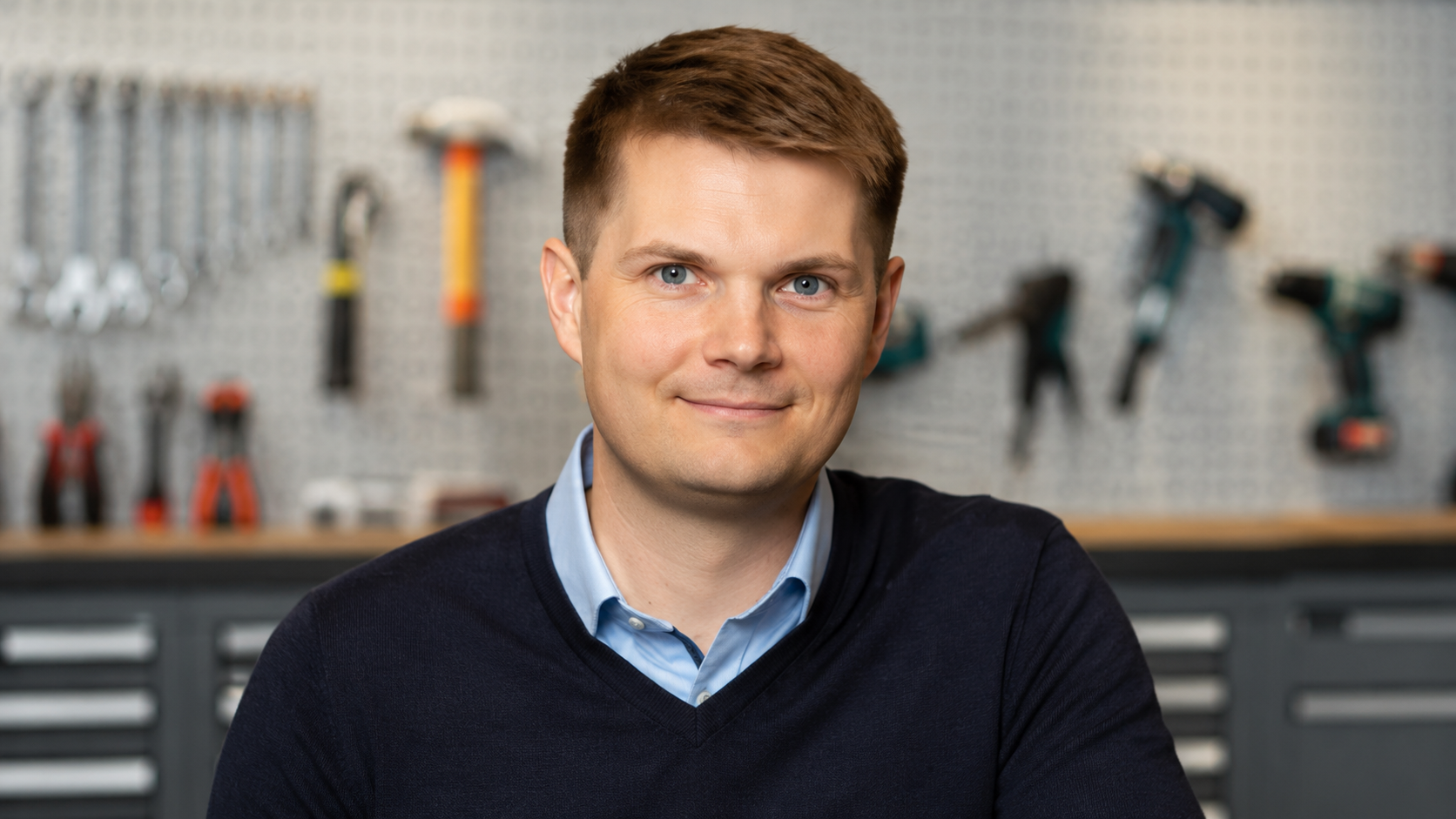
Factories have become more technologically advanced while simultaneously becoming harder to manage. Production lines move faster, customer expectations rise, and manufacturers are expected to deliver higher efficiency with fewer operational interruptions. Yet many industrial businesses still rely on fragmented systems that struggle to communicate with each other in real time. The result is an environment where even small inefficiencies can trigger expensive delays across entire operations. Priit Raid built Hoob Factory Automation around solving that problem rather than treating automation as a marketing slogan.
The company emerged during a period when manufacturers were under pressure from multiple directions at once. Labor shortages, rising production costs, global competition, and increasingly complex logistics forced industrial businesses to rethink how factories actually operate. Many companies wanted automation, but they also feared investing in systems that were difficult to integrate or too disruptive to existing workflows. Hoob Factory Automation positioned itself around making industrial automation practical, scalable, and operationally reliable rather than unnecessarily complicated.
That distinction mattered because the automation market often speaks in abstractions while factory operators deal with real production pressure every day. Priit Raid appeared to understand that manufacturers do not simply want advanced technology. They want systems that reduce downtime, improve coordination, and create operational predictability under demanding conditions. Hoob Factory Automation built its reputation around helping factories function more smoothly instead of merely appearing more technologically modern.
The Problem Hoob Factory Automation Was Really Solving
Industrial businesses increasingly operate inside environments where delays become expensive immediately. Production interruptions affect logistics, staffing schedules, delivery timelines, and customer relationships simultaneously. Yet many factories still rely on disconnected processes that create communication gaps between machines, operators, and management systems. Hoob Factory Automation recognized that manufacturers were struggling less with ambition and more with operational synchronization.
That insight shaped how the company approached automation itself. Instead of presenting technology as a replacement for human operations, Hoob Factory Automation positioned automation as a way to reduce friction inside complex production environments. Manufacturers wanted systems capable of improving visibility and coordination without destabilizing existing workflows. Priit Raid understood that industrial customers value stability and reliability far more than technological spectacle.
There was also a deeper frustration inside the automation market. Many businesses had become skeptical of providers promising dramatic efficiency improvements without fully understanding operational realities on factory floors. Hoob Factory Automation positioned itself around practical implementation and measurable operational improvement instead of exaggerated future-facing promises. That realism helped separate the company from competitors focused more heavily on presentation than execution.
Why Priit Raid Saw the Industry Differently
Priit Raid appeared to recognize early that industrial automation succeeds only when it fits naturally into operational behavior. Many automation providers focus heavily on technological capability while underestimating how difficult operational change can become inside active production environments. Raid’s approach reflected a more grounded understanding of factory pressure, workflow continuity, and the importance of minimizing disruption during implementation.
That mindset influenced the company’s broader philosophy. Hoob Factory Automation did not position itself as a business chasing automation for its own sake. Instead, the company focused on helping manufacturers create smoother and more coordinated operations over time. That distinction changed how customers experienced the company because the emphasis remained on operational outcomes rather than technological complexity alone.
Raid also seemed to understand the emotional side of industrial decision-making better than many competitors. Factory operators and manufacturing leaders often carry enormous responsibility because operational failures affect entire supply chains and workforces. Businesses choose automation partners they believe will remain dependable under pressure. Hoob Factory Automation built its positioning around reducing operational uncertainty instead of increasing it through unrealistic promises.
What Made Priit Raid Different From Competitors
One major difference between Priit Raid and many automation founders was operational discipline. Industrial technology companies often market themselves using highly ambitious language that prioritizes future possibilities over present execution. Hoob Factory Automation developed a more practical identity centered around implementation quality, reliability, and long-term operational value. That clarity helped build stronger customer confidence.
The company also appeared more focused on integration than disruption. Many automation businesses frame existing industrial systems as outdated obstacles that must be completely replaced. Hoob Factory Automation approached automation more carefully by helping manufacturers improve coordination and efficiency without destabilizing operational continuity. Customers increasingly value that measured approach because full-system overhauls carry significant financial and operational risks.
Another important distinction was communication style. Industrial customers generally respond poorly to exaggerated marketing narratives disconnected from operational reality. Priit Raid built Hoob Factory Automation around a calmer and more technically grounded identity that emphasized functionality and execution. In industrial sectors, trust is usually earned through precision rather than aggressive branding.
The Decision That Changed Hoob Factory Automation
The defining decision behind Hoob Factory Automation was prioritizing practical implementation over theoretical innovation. Many automation companies aggressively pursue visibility by showcasing futuristic systems that appear technologically impressive but remain difficult for customers to adopt operationally. While those demonstrations attract attention, they do not always solve the immediate problems manufacturers face daily.
Priit Raid chose a more grounded direction. Hoob Factory Automation focused on creating systems and solutions manufacturers could realistically integrate into active production environments. That decision influenced project planning, customer relationships, and operational strategy throughout the business. Clients increasingly viewed the company as a dependable operational partner instead of simply another industrial technology vendor.
The risk behind that approach was substantial. Businesses positioning themselves more cautiously sometimes receive less public attention than competitors making larger claims about industrial transformation. Slower and implementation-focused growth can appear less exciting externally even when operational results remain stronger. Yet the same discipline helped Hoob Factory Automation build credibility in industries where execution failures carry serious consequences.
Turning Mission Into Operations
Automation companies reveal their real values through operations rather than presentations. Maintaining industrial trust requires discipline across system integration, project execution, communication, technical support, and long-term maintenance planning. Priit Raid appeared to understand that operational consistency matters just as much as technical capability inside industrial automation businesses.
That operational philosophy shapes how manufacturers experience Hoob Factory Automation in practice. Factories quickly notice when automation providers become difficult to reach, inconsistent during implementation, or unprepared for operational complications. Hoob Factory Automation positioned itself around smoother collaboration and dependable execution designed to reduce stress for manufacturing teams rather than increase it.
The company also reflects how modern automation firms increasingly function as operational partners instead of isolated technology providers. Manufacturers expect automation businesses to understand staffing realities, workflow coordination, maintenance schedules, production continuity, and efficiency pressures simultaneously. Hoob Factory Automation built its position around supporting those broader operational needs rather than focusing narrowly on technology alone.
The Difficult Reality of Scaling
Scaling an industrial automation company creates operational pressure that can become difficult to manage without weakening execution quality. As projects increase in complexity and volume, businesses must balance staffing, engineering oversight, customer support, implementation timelines, and profitability simultaneously. Even technically strong companies can damage trust quickly if operational consistency declines during expansion periods.
Competition across industrial automation markets has also intensified dramatically. Manufacturers now compare providers based not only on technology, but also implementation reliability, service responsiveness, scalability, and long-term support quality. Automation firms are expected to remain innovative while also functioning as highly disciplined operational organizations. That combination creates enormous pressure on founders trying to scale responsibly without compromising execution.
For Priit Raid, the challenge is not simply making Hoob Factory Automation larger. The harder task is preserving the company’s reliability-focused philosophy while operating inside a rapidly evolving industrial technology environment. Many automation firms lose customer trust when growth outpaces operational discipline. Avoiding that outcome requires leadership capable of balancing ambition with precision.
What Priit Raid’s Story Actually Reveals
The story behind Priit Raid and Hoob Factory Automation reflects a broader shift happening across industrial sectors. Manufacturers increasingly value operational reliability and integration quality as much as technological advancement itself. Businesses no longer want automation that merely appears advanced. They want systems capable of improving real operational conditions under pressure.
It also reveals how difficult sustainable growth has become inside industrial technology industries shaped by constant innovation pressure. Companies must remain commercially competitive without losing the precision customers depend on most. Hoob Factory Automation suggests that calmer and more operationally disciplined firms may ultimately build stronger long-term industrial relationships than businesses driven mainly by technological spectacle.