The skincare industry has become increasingly crowded with products promising hydration, repair, anti-aging benefits, and personalized results, yet many consumers continue struggling to find routines that actually work consistently for their skin. Shelves are filled with nearly identical claims wrapped in different packaging, while social media accelerates beauty trends faster than most customers can properly evaluate them. In that environment, trust has become one of the most valuable currencies in beauty. Consumers no longer want endless product experimentation. They want clarity, effectiveness, and brands that understand how modern skincare habits are changing.
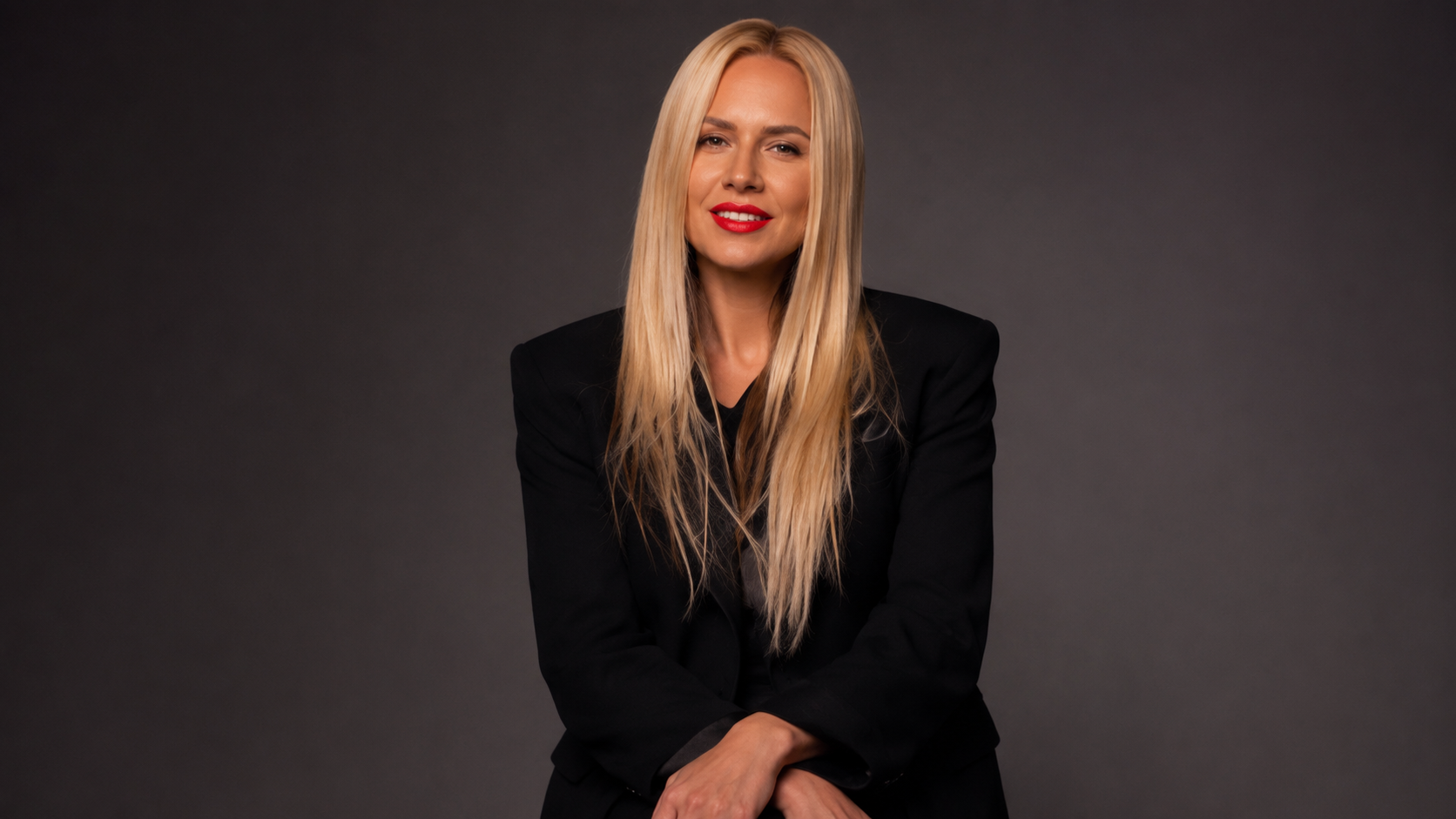
That shifting market created the opportunity for Gretel Kikkas and Macta Beauty, a company positioned around practical skincare experiences rather than purely aspirational beauty marketing. Instead of relying heavily on celebrity-driven branding or trend cycles, the company appeared more focused on product quality, customer trust, and long-term skincare behavior. The strategy reflected an understanding that modern consumers increasingly approach skincare less as luxury consumption and more as personal wellness management.
For Kikkas, the challenge extended beyond launching another beauty label into an already saturated market. The deeper question involved how smaller skincare companies could compete against global cosmetic giants with massive advertising budgets and retail dominance. Macta Beauty appears to have responded by emphasizing authenticity, focused product positioning, and customer relationships instead of trying to imitate large-scale beauty corporations. That operational discipline became central to how the brand established its identity.
The Problem Macta Beauty Was Really Solving
One of the biggest frustrations in skincare is information overload. Consumers are constantly exposed to conflicting advice, viral beauty trends, and aggressive product marketing that often creates confusion instead of confidence. Many people purchase multiple skincare products without fully understanding ingredients, compatibility, or long-term effects. The result is an industry where customers frequently feel overwhelmed despite having more product options than ever before.
Macta Beauty appeared to approach this issue by simplifying the customer experience rather than amplifying complexity. The company’s positioning suggested a focus on skincare routines and products customers could realistically integrate into daily life without constantly chasing new trends. Gretel Kikkas seemed to recognize early that many consumers were becoming exhausted by beauty culture built around endless experimentation and unrealistic expectations.
Another challenge within skincare involves credibility. Beauty brands often rely on exaggerated promises and vague scientific language that make it difficult for customers to separate marketing from measurable value. Macta Beauty appeared more interested in building long-term trust through consistency and product reliability. That approach aligned well with a growing consumer preference for brands that feel transparent and operationally grounded rather than overly performative.
The company also entered a market increasingly influenced by wellness culture. Customers now evaluate skincare products not only by cosmetic outcomes but by ingredient quality, sustainability considerations, and overall lifestyle alignment. Macta Beauty’s strategy seemed designed around that broader shift, positioning skincare as part of everyday wellbeing rather than purely appearance-driven consumption.
Why Gretel Kikkas Saw the Industry Differently
Gretel Kikkas appears to approach beauty from a more behavioral and customer-focused perspective than many traditional skincare founders. While large cosmetic brands often prioritize mass-market scalability and constant product launches, Kikkas’s strategy seems grounded in how consumers actually build skincare habits over time. That distinction matters because skincare success often depends less on dramatic transformation and more on routine consistency and customer trust.
Part of her perspective likely comes from understanding how disconnected many beauty brands have become from everyday consumer behavior. Customers are frequently marketed highly complex routines that are difficult to maintain realistically. Macta Beauty instead appeared more interested in usability and practical skincare integration. That approach reflects a deeper awareness that consumers increasingly value simplicity and reliability in personal care decisions.
Kikkas also seemed to recognize that smaller beauty brands cannot compete purely on advertising scale. Large cosmetic companies dominate traditional retail visibility and influencer marketing budgets, making direct competition difficult. Macta Beauty’s positioning therefore appears more relationship-oriented, emphasizing authenticity, customer loyalty, and product trust rather than relying entirely on aggressive visibility campaigns.
There is also a notable restraint in this strategy. Many beauty companies constantly reposition themselves around whichever ingredient or trend receives the most online attention. Macta Beauty appeared more disciplined in maintaining a stable brand identity instead of aggressively chasing every emerging beauty cycle. That consistency likely strengthened long-term customer confidence.
What Made Gretel Kikkas Different From Competitors
One of the clearest differences between Gretel Kikkas and many competitors was the company’s apparent focus on focused skincare identity instead of endless product expansion. In the beauty industry, brands often release large product catalogs quickly in an effort to maximize visibility and sales opportunities. Macta Beauty seemed more selective, emphasizing product clarity and customer understanding rather than overwhelming consumers with constant launches.
Another differentiator involved communication style. Many skincare companies rely heavily on exaggerated scientific terminology or emotionally charged marketing language that creates unrealistic expectations. Kikkas’s approach appeared more measured and customer-oriented. The company seemed interested in helping customers understand products clearly rather than confusing them with technical complexity or trend-driven messaging.
The brand also appeared positioned around trust rather than hype. Beauty consumers are becoming increasingly skeptical of influencer-heavy product promotion, particularly when recommendations feel disconnected from actual performance. Macta Beauty’s strategy suggested a stronger emphasis on credibility, consistency, and realistic skincare positioning instead of rapid viral attention.
Customer experience likely played an important role as well. Smaller beauty brands often gain loyalty by creating stronger emotional connection and responsiveness than larger corporations can realistically maintain. Kikkas’s leadership style appears aligned with that expectation, emphasizing customer understanding over purely transactional growth.
The Decision That Changed Macta Beauty
For Macta Beauty, one of the most defining strategic decisions appears to have been focusing on brand trust and product consistency rather than pursuing rapid expansion across every beauty category. Many skincare startups attempt to scale aggressively by launching numerous products, partnerships, and influencer campaigns simultaneously. That approach can generate short-term attention but often weakens product identity and operational focus.
Gretel Kikkas seemed to take a more disciplined route. Instead of treating growth as purely a visibility challenge, the company appeared focused on strengthening customer confidence and maintaining operational consistency as the brand evolved. That decision likely helped Macta Beauty establish stronger long-term relationships with customers rather than relying entirely on temporary trend momentum.
The strategy also reflected an understanding that skincare brands survive through repeat trust more than one-time purchases. Consumers become loyal when products integrate successfully into routines over time. Operational reliability, product consistency, and customer confidence therefore become more important than constant reinvention. Macta Beauty’s approach appeared closely aligned with that philosophy.
That patience may generate slower market visibility compared to aggressively marketed beauty startups, but it often creates stronger customer retention and more stable long-term positioning in highly competitive consumer sectors.
Turning Mission Into Operations
A beauty brand’s mission only becomes meaningful when reflected in operational decisions customers can actually experience. For Macta Beauty, that likely meant focusing on product quality, ingredient consistency, and customer usability rather than relying solely on branding aesthetics. In skincare, operational credibility shapes loyalty more directly than advertising alone.
Execution therefore becomes critical. Consumers use skincare products daily, meaning even small inconsistencies in formulation, packaging, or customer experience can affect trust quickly. Macta Beauty appears to have emphasized operational stability because long-term skincare relationships depend heavily on reliability and predictable product performance.
Another operational strength likely came from understanding modern customer expectations. Consumers increasingly evaluate beauty brands through multiple lenses simultaneously, including ingredient transparency, sustainability awareness, ethical positioning, and overall lifestyle alignment. Kikkas’s strategy seems designed around those evolving priorities rather than older beauty industry assumptions centered primarily on glamour and aspiration.
The company’s broader positioning also reflects changes happening across consumer wellness markets. Customers increasingly prefer brands that feel understandable, honest, and manageable inside everyday life. Macta Beauty appears aligned with that cultural movement toward practicality and authenticity in personal care purchasing decisions.
The Difficult Reality of Scaling
Scaling beauty companies introduces pressure that extends far beyond product development alone. As brands grow, they must manage manufacturing consistency, customer expectations, supply chain reliability, retail relationships, and increasing competition simultaneously. Even highly successful skincare products can struggle operationally once demand expands faster than infrastructure capacity.
Gretel Kikkas likely faced the challenge common to many independent beauty founders: balancing growth opportunities against brand identity preservation. Expanding too quickly can weaken product quality and customer trust, while expanding too cautiously risks losing market relevance inside fast-moving beauty cycles. Managing that balance requires operational discipline that many consumer startups struggle to maintain.
Competition also intensified as both legacy cosmetic companies and celebrity-backed brands increased pressure across skincare markets. Smaller brands increasingly compete not only on product quality but also on visibility, pricing, and customer retention. That forces companies like Macta Beauty to differentiate through authenticity, consistency, and customer experience rather than advertising scale alone.
Public scrutiny within beauty industries has also increased significantly. Consumers now question ingredient claims, sustainability messaging, and influencer partnerships far more critically than before. Maintaining credibility under those conditions requires careful operational alignment between branding, product development, and customer experience.
What Gretel Kikkas’s Story Actually Reveals
The story of Gretel Kikkas and Macta Beauty reflects a broader shift happening across modern skincare markets. Consumers are becoming less interested in excessive beauty promises and more focused on products that integrate realistically into everyday routines. Trust, consistency, and usability increasingly matter more than constant novelty.
Kikkas’s approach also highlights how modern beauty founders increasingly succeed through operational understanding rather than pure marketing visibility. Customers want brands that feel credible, stable, and aligned with real consumer behavior instead of temporary internet trends. In that sense, Macta Beauty represents more than a skincare company. It reflects the growing demand for beauty brands that prioritize long-term customer relationships over short-term hype cycles.